Posted on in Vigna
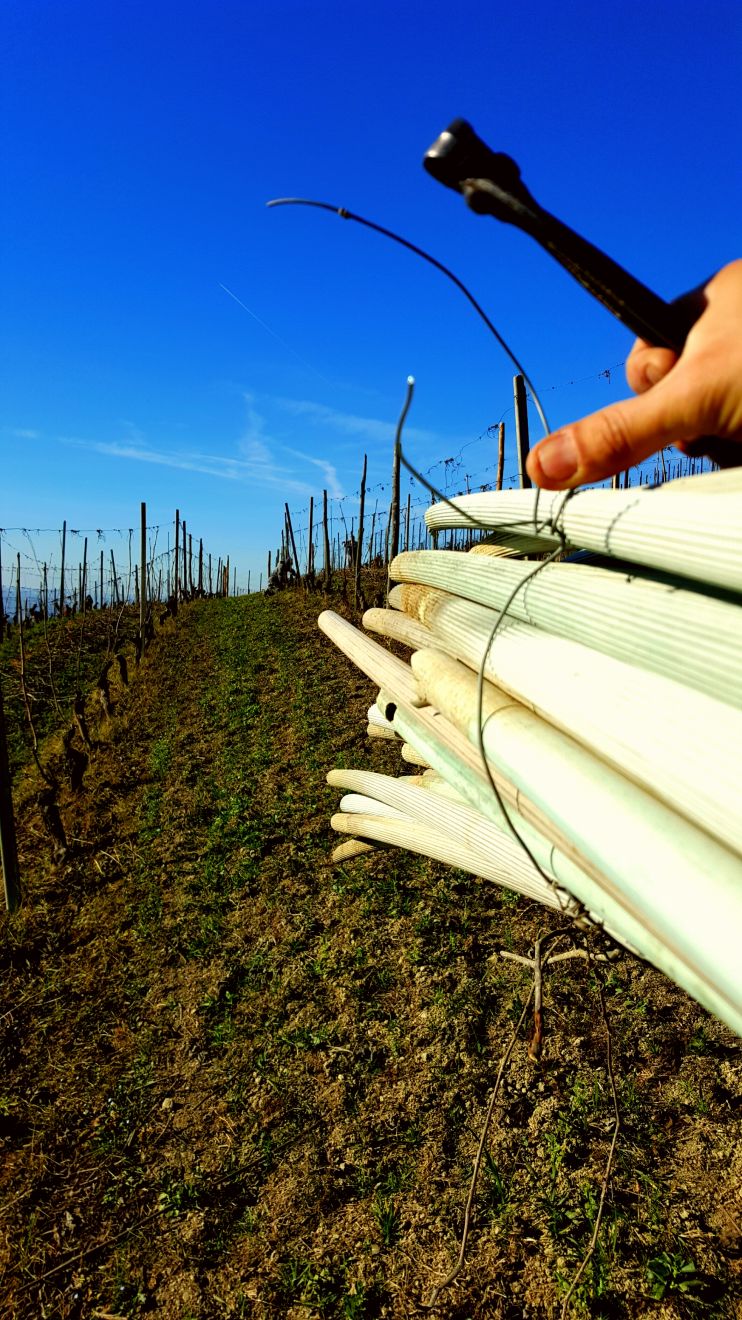
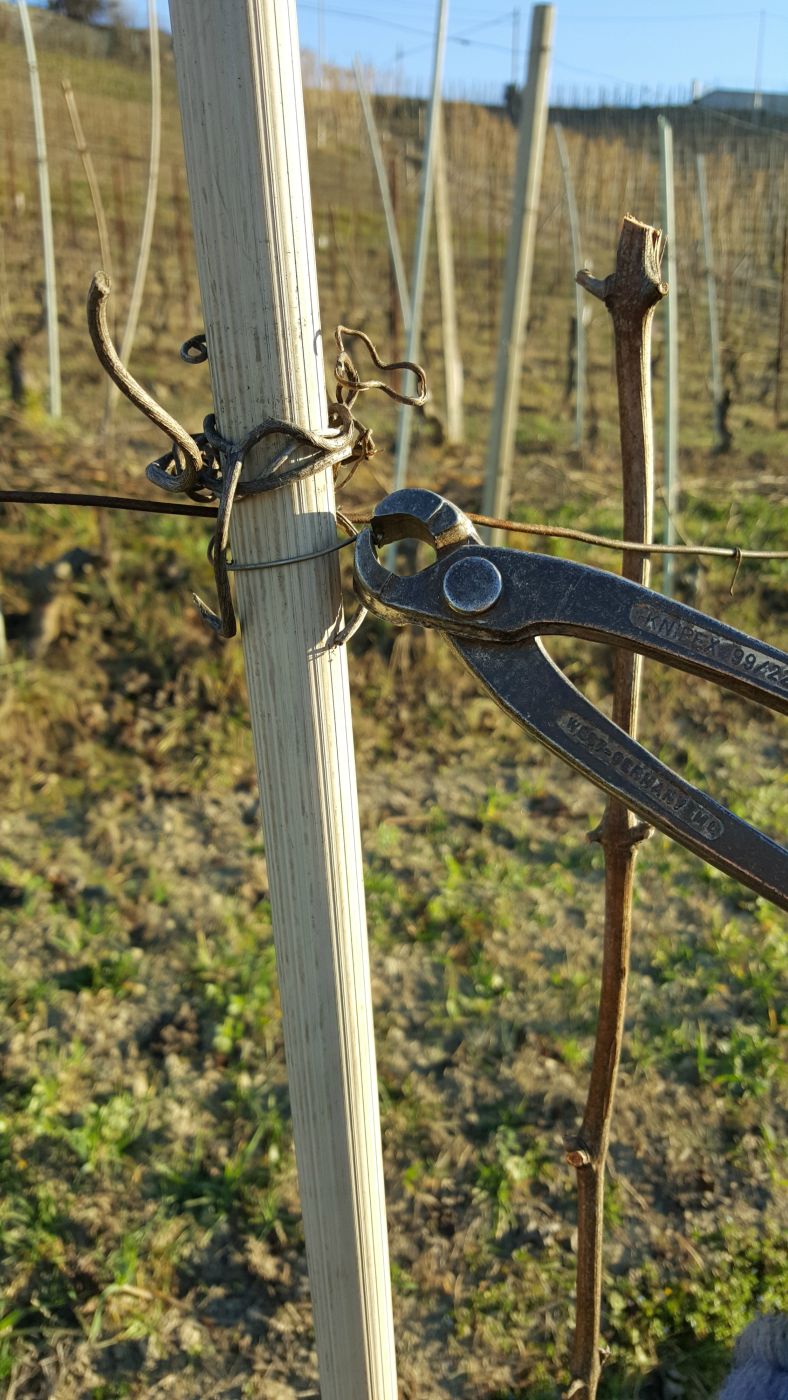
It has certainly been an unusual winter, climatically speaking, with beautiful, sunny days and scarce precipitation in December and January that left the soil dry and compact; and snow in late March. But the vines did not suffer from stress or damage. On the contrary, the sunshine-y days allowed us to carry out work in the vineyards that normally we don’t do due to cold temperatures or snow, such as installing new stakes and substituting old wires, especially in the older vineyards. These are all jobs that we try to avoid once the vines begin vegetative development in March and April, so as not to damage the trunks and branches that have already begun to grow into a “supporting structure” for the vines.
The overall outcome from this winter has therefore been positive. Operations like pruning and tying have begun on time.
PRUNING
We pruned during the sunniest days of January and with the utmost care, in full respect of the plants and their future production. Pruning is a fundamental process that helps the vines adapt to the training system and to facilitate cultivation; relegates plant growth to the physical space assigned to it; and, above all, helps the vines maintain constant production over the years by regulating the number of buds and optimizing its vigor.
Because of how important the pruning operations are, we take every trunk into consideration, almost as though it was a person. For a less vigorous plant, we reduce the number of buds so that it doesn’t weaken further. And a stronger plant can support the weight of grapes better, so we let more buds grow.
To summarize the work that we did, you could say that we pruned the vines with the aim of never cutting too closely and of respecting the surrounding buds; avoiding deep cuts into the trunk (which causes the plant to stay shorter) that can damage or weaken the vine; and to favor the flow of nutrients in the vines, which are already beginning to awaken this season.
BENDING AND TYING
As opposed to pruning in the sunshine, bending and tying the branches is done during the foggiest and most humid days. Humidity keeps the branches soft and flexible. Bending and tying is done to help the plant adapt to the chosen pruning type and to contain and/or support the vegetative development of the vine. Tying the branches in arches, for example, creates small bottlenecks for the flow of nutrients through the vines. This helps the plant distribute these substances uniformly and never excessively, and to grow similar-sized grapes that never swell too large.
-
- New stakes for old vines
-
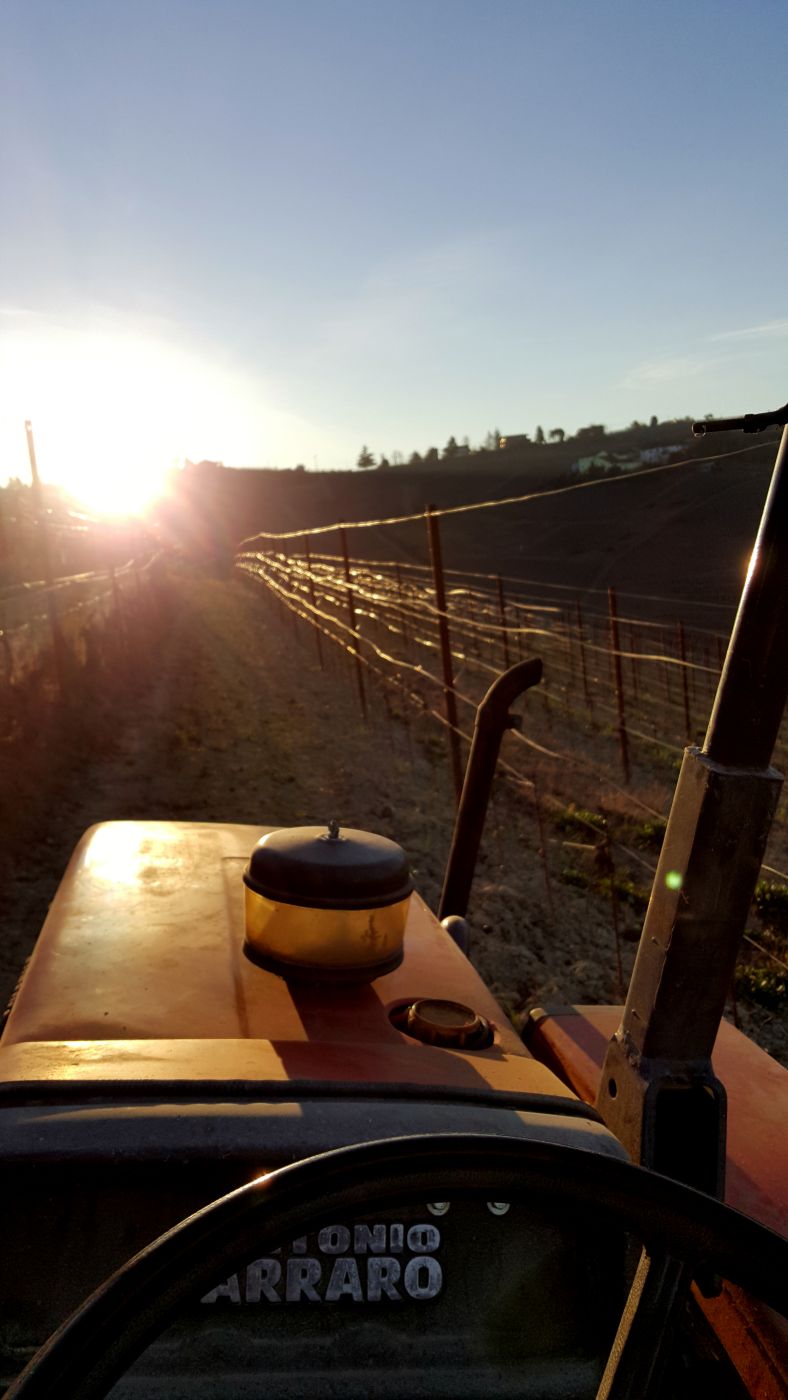
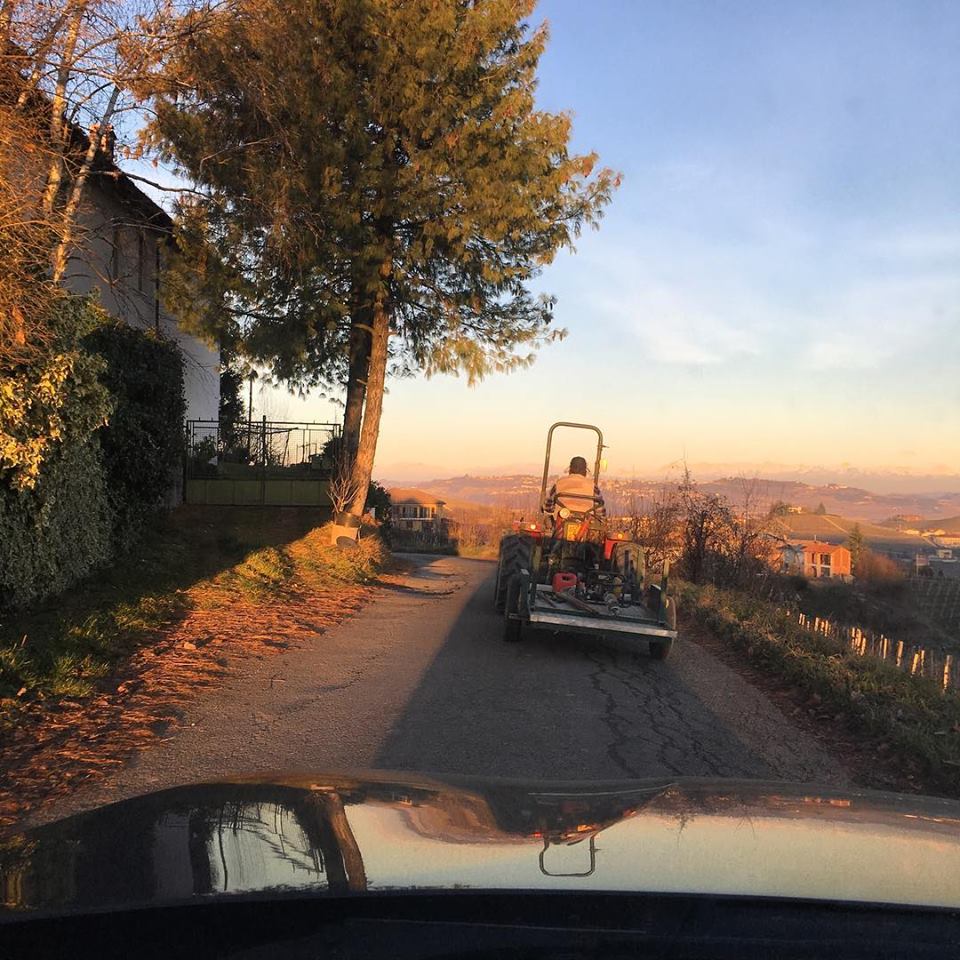
- Sunrise in the tractor
-
- “Renovation” work
-

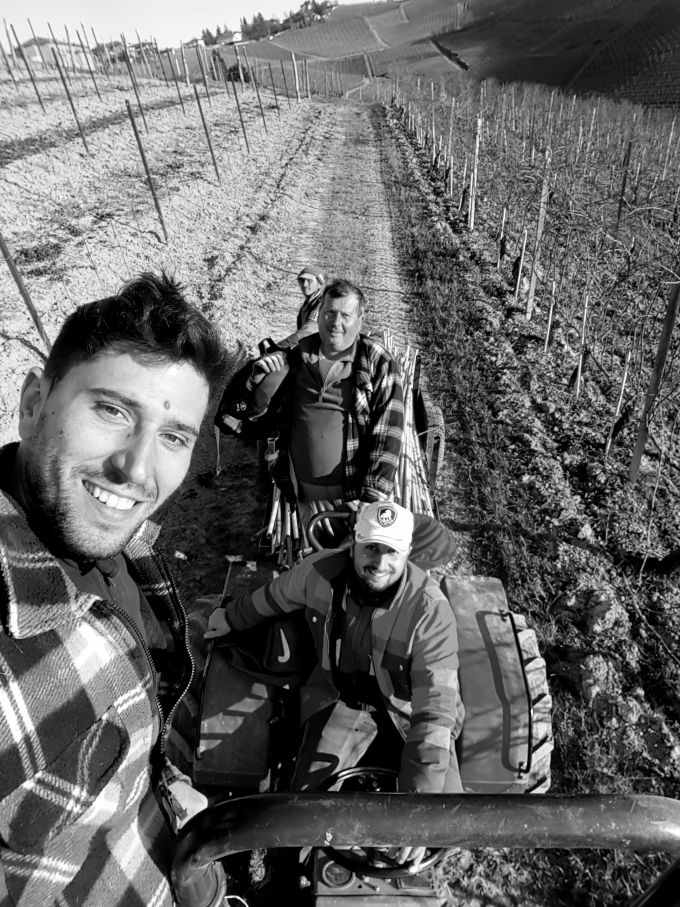
- Selfie in the vineyard
-
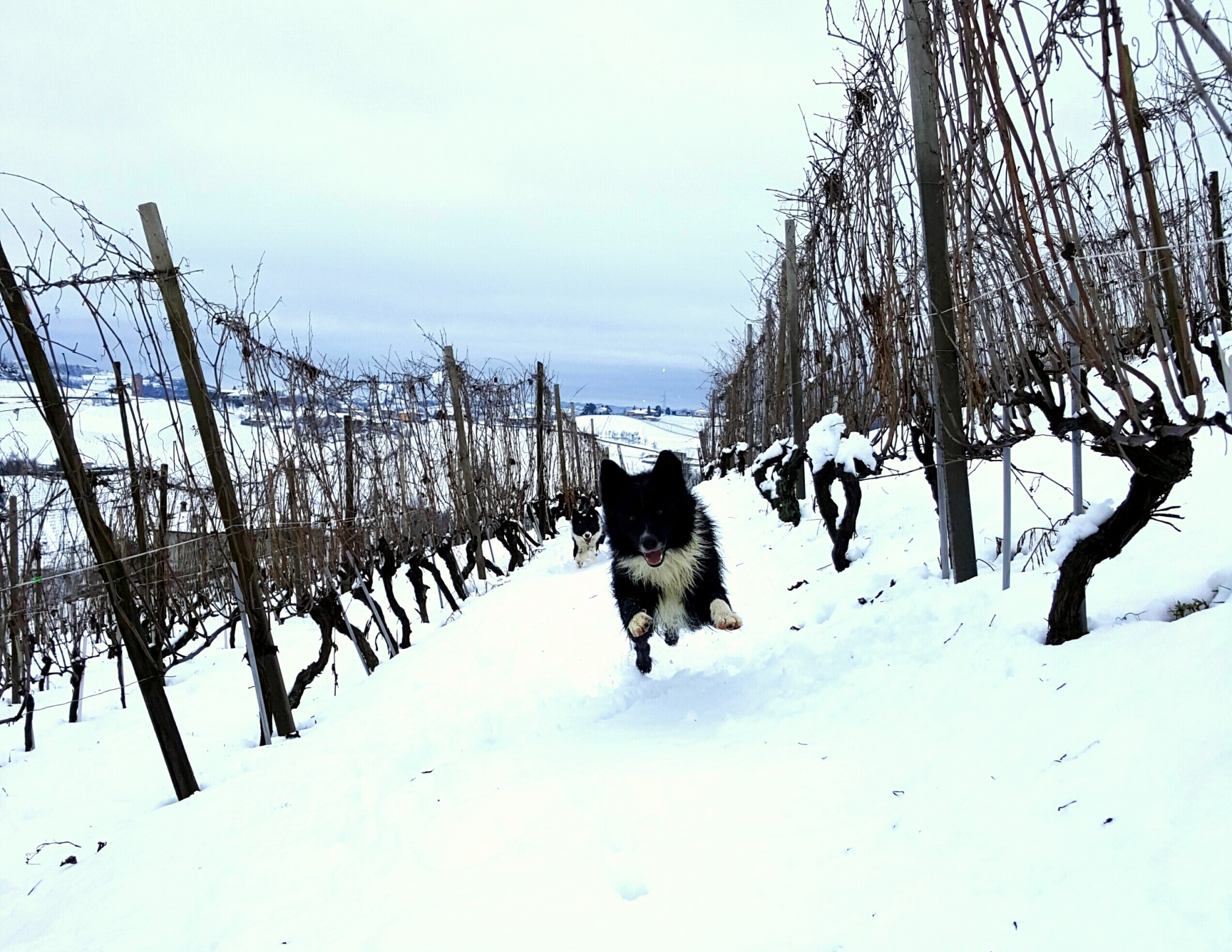
- Cloe running through snowy vineyards
-
- Barbaresco at sunrise
THE PHEROMONE FIGHT
The arrival of spring also means the beginning of the fight against insects and parasites. To avoid the use of pesticides, we have chosen to use bands with pheromones that confuse the insects and inhibit sexual reproduction. We begin applying them in the vineyards at the beginning of April, just before the start of vegetative development. It’s important to cover the vineyards well with pheromones, and even the surrounding ones; and in Barbaresco, many producers use this method. It has been shown that applying these pheromones over a vast area of land for years significantly reduces the insect population, resulting in higher and more stable efficacy.
THE NEW VINTAGES
Finally, we are happy to announce that at the end of April, we will bottle Dolcetto 2015. It is a year to remember, because we hadn’t seen dolcetto grapes that beautiful in a long time! An overall good season helped the vines grow almost perfectly, giving us a complex, deep, and refined Dolcetto. Yet to drink this wine at its best, we need to wait another couple of months. In fact, before releasing it on the market, we are letting it age and evolve in the bottle. And don’t forget that this summer, we’ll be bottling Barbaresco 2014—cross your fingers!